
Recovering from gambling addiction five essential steps to start anew
Understanding the Nature of Gambling Addiction
Gambling addiction is a complex condition that affects many individuals and their families. It is characterized by compulsive gambling behavior despite negative consequences, leading to significant distress and impairment in various aspects of life. Understanding the nature of this addiction is crucial for those seeking recovery, as it highlights the psychological and emotional factors that contribute to the compulsive behavior. As you explore the options, consider the benefits of online casinos new that can provide insights into safer gaming practices.
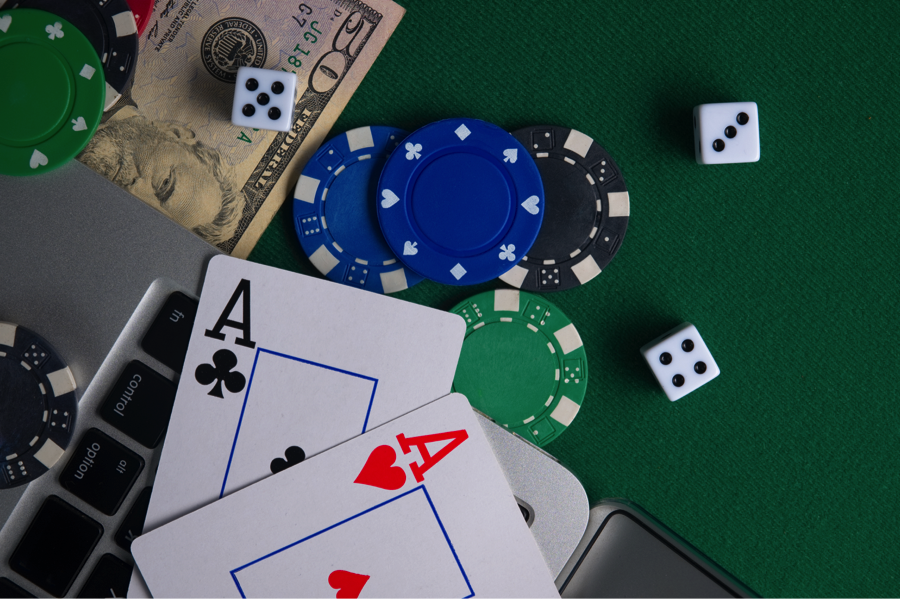
Recognizing the signs of gambling addiction is the first step toward recovery. These may include lying about gambling habits, neglecting responsibilities, and experiencing financial difficulties. The emotional toll of gambling can also manifest as anxiety, depression, or guilt, making it imperative for individuals to confront these feelings head-on.
Seeking Professional Help
Professional assistance is often necessary for overcoming gambling addiction. Therapists and counselors who specialize in addiction treatment can provide valuable support. They utilize various therapeutic techniques, including cognitive-behavioral therapy (CBT), which helps individuals identify and change negative thought patterns and behaviors associated with gambling.
In addition to therapy, support groups like Gamblers Anonymous offer community support and accountability. Sharing experiences with others who understand the struggle can foster a sense of belonging and reduce feelings of isolation that often accompany addiction.
Developing Healthy Coping Strategies
Once individuals begin their recovery journey, it is essential to develop healthy coping strategies to replace gambling. Engaging in physical activities, hobbies, or volunteering can provide positive outlets for stress and help fill the void left by gambling. These activities not only promote mental well-being but also encourage social interaction and skill development.
Mindfulness and relaxation techniques, such as meditation or yoga, can also be beneficial. These practices help individuals manage cravings and reduce anxiety, enabling them to respond to triggers in healthier ways. Establishing a balanced routine that prioritizes self-care is vital for maintaining long-term recovery.
Establishing a Support Network
A strong support network is crucial during the recovery process. This network may include family members, friends, and professionals who are willing to listen and provide encouragement. Educating loved ones about gambling addiction can foster understanding and help them provide the necessary support without judgment.
Additionally, building relationships with others in recovery can strengthen commitment to staying gambling-free. Sharing successes and setbacks within this community can motivate individuals to remain focused on their goals. Regular check-ins with supportive contacts can serve as a reminder of progress and a safeguard against relapse.

Resources and Tools for Recovery
Many resources are available to assist individuals recovering from gambling addiction. Websites dedicated to gambling addiction provide information on various treatment options, self-help strategies, and the latest research. These platforms can help individuals find local resources, hotlines, and support groups tailored to their needs.
Utilizing online forums can also be beneficial for those who prefer to connect with others anonymously. Engaging with these online communities allows individuals to share their experiences and gain insights from others who have navigated similar challenges. Knowledge and ongoing support are essential components in achieving a healthier, gambling-free life.