
Understanding the psychological triggers that motivate gambling behavior in casinos
The Allure of Random Rewards
The thrill of gambling largely hinges on the concept of random rewards, which activates the brain’s pleasure centers. Casinos exploit this by creating an environment where players are intermittently rewarded, making the experience highly addictive. This randomness is akin to a slot machine’s pay-off system, where players receive unexpected rewards that amplify excitement and anticipation. To find the top betting sites in uk, consider the variety of options available, as this unpredictability can generate a cycle of behavior that keeps gamblers engaged for extended periods, seeking that next high.
Research indicates that the unpredictability of winning leads to increased dopamine release, a neurotransmitter associated with pleasure and reinforcement. This can create a compelling urge to continue playing, as players may remember their past wins more vividly than their losses. The psychological phenomenon known as the “gamblers’ fallacy” often leads individuals to believe that a win is due after a series of losses, further fueling their desire to keep gambling, especially in environments rich with sensory stimulation.
Moreover, the design of casino games plays a pivotal role in maintaining this allure. Bright lights, engaging sounds, and vibrant colors all contribute to a stimulating atmosphere that enhances the overall gambling experience. These sensory elements work in tandem to reinforce positive feelings associated with winning, creating a feedback loop that is difficult for many players to resist. As a result, many gamblers find themselves drawn back into the casino for the potential of future rewards, despite understanding the odds.
The Role of Social Interaction
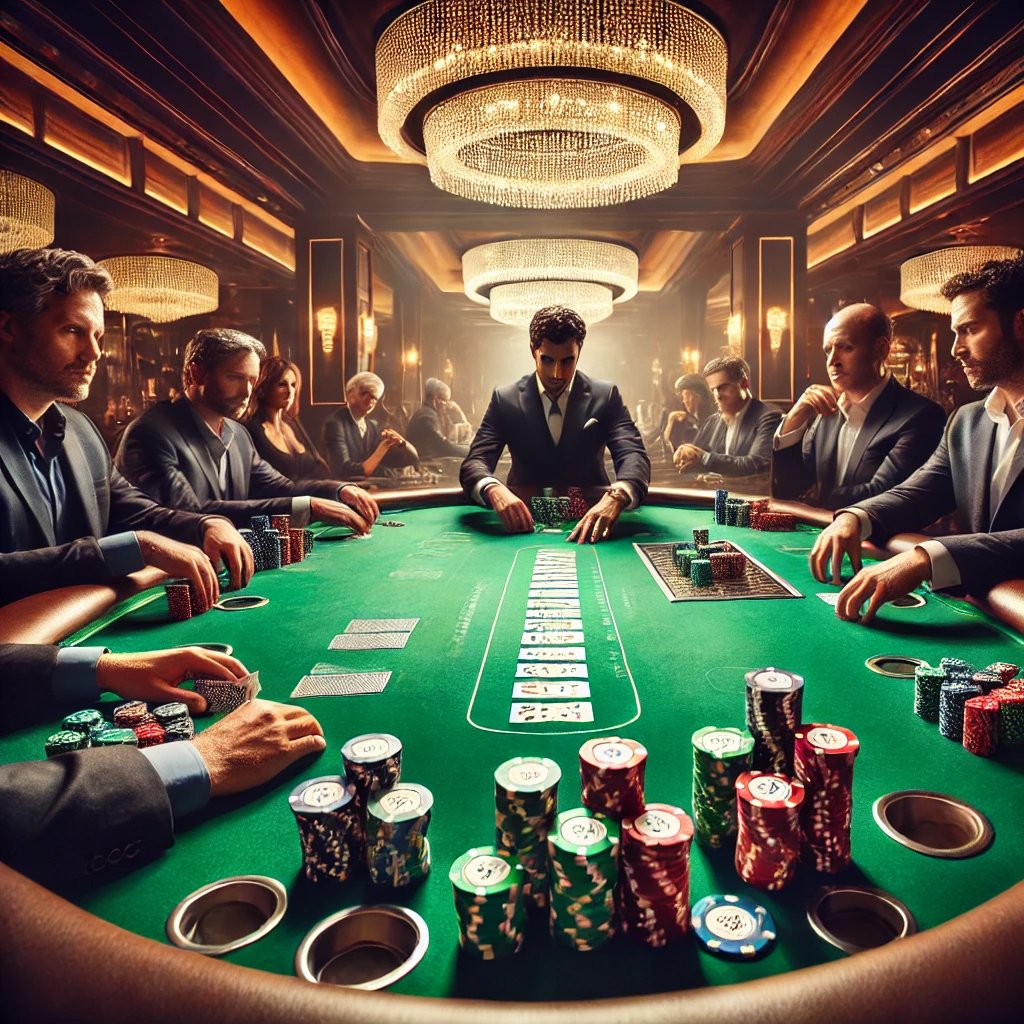
Gambling is not only a solitary activity but often a social one, where interaction among players can significantly influence behavior. Many casinos capitalize on this aspect by creating communal spaces that foster social engagement. When people gather to enjoy games like poker or blackjack, the collective energy can amplify individual excitement, making it easier to overlook losses. The camaraderie among players can transform gambling into a shared experience, blurring the lines between entertainment and competition.
Additionally, the presence of casino staff and fellow gamblers often enhances the emotional high of the experience. Friendly dealers and enthusiastic patrons can create an inviting atmosphere that encourages prolonged participation. This social dynamic can lead to a sense of belonging, where individuals feel part of a community, making it harder to leave even when the odds are against them. The enjoyment derived from these interactions can overshadow the potential risks associated with gambling.
Furthermore, social media plays a growing role in modern gambling behavior. Players often share their experiences, wins, and losses on platforms, thereby reinforcing the social aspects of gambling. This digital sharing can encourage others to participate, creating a cycle of social reinforcement that impacts gambling habits. As individuals look for validation and community through their online interactions, the psychological pull of gambling becomes even more potent.
The Impact of Environment and Design
The physical environment of a casino plays a crucial role in influencing gambling behavior. From the layout of the gaming floor to the carefully curated ambiance, every element is designed to maximize engagement. Casinos often feature a maze-like design to keep players disoriented and encourage exploration. This spatial strategy not only enhances the likelihood of players discovering new games but also prolongs their stay, as they may lose track of time and their initial intentions.
The use of ambient sounds and lighting further enhances the experience. Soft music, the sound of coins clinking, and engaging announcements create an atmosphere that encourages players to stay longer. The psychological impact of such design is profound; it can make patrons feel as if they are part of a unique world, separate from their daily lives. This immersive environment can lead to a temporary suspension of judgment, causing individuals to gamble beyond their planned limits.
Moreover, the positioning of high-stakes games versus low-stakes games can affect player behavior. High-stakes areas often attract risk-takers looking for big wins, while casual games are designed to accommodate a more relaxed clientele. The distinction influences how individuals perceive their own gambling habits and risk tolerance. As players navigate through these environments, their decisions are continuously shaped by the design and layout, revealing the psychological significance of a well-curated casino space.
The Illusion of Control and Skill
Many gamblers fall prey to the illusion of control, believing that skill or strategy can influence outcomes in games of chance. This perception can be particularly strong in games like poker, where players feel their decisions can impact the game’s outcome. This mindset can lead to overconfidence, encouraging players to bet larger amounts and engage more deeply with the game. The thrill of feeling in control can create an addictive cycle, where players are drawn to the challenge despite the inherent unpredictability of gambling.
This illusion is further perpetuated by marketing strategies that highlight skill-based games, often downplaying the role of luck. Gamblers may believe that with practice and experience, they can overcome odds, leading them to invest both time and money into honing their skills. This psychological trigger can lead to a miscalculation of risk, as players convince themselves they are ‘due’ for a win or that they can outsmart the game.
In addition, the cognitive bias known as the “hot-hand fallacy” can enhance this illusion. Gamblers may mistakenly believe that a series of wins indicates a change in luck or skill. This perception can keep players engaged for longer periods, as they rationalize their continued play based on past successes. The combination of cognitive biases and the allure of skill can create a powerful psychological driver, making it difficult for individuals to walk away from the gaming table.
Your Source for Understanding Gambling Behavior
Understanding the psychological triggers that motivate gambling behavior in casinos is crucial for both players and industry stakeholders. By analyzing these factors, individuals can make more informed choices and recognize when gambling may be crossing into unhealthy territory. Furthermore, the insights into the psychology of gambling can assist casino operators in creating more responsible gaming environments.
For those looking to delve deeper into the intricacies of gambling behavior, our website provides a wealth of resources and expert insights. From articles and studies to personal testimonies, we aim to educate players about the psychological aspects of gambling. This knowledge can empower individuals to approach gambling with a healthier mindset, fostering responsible play and awareness.